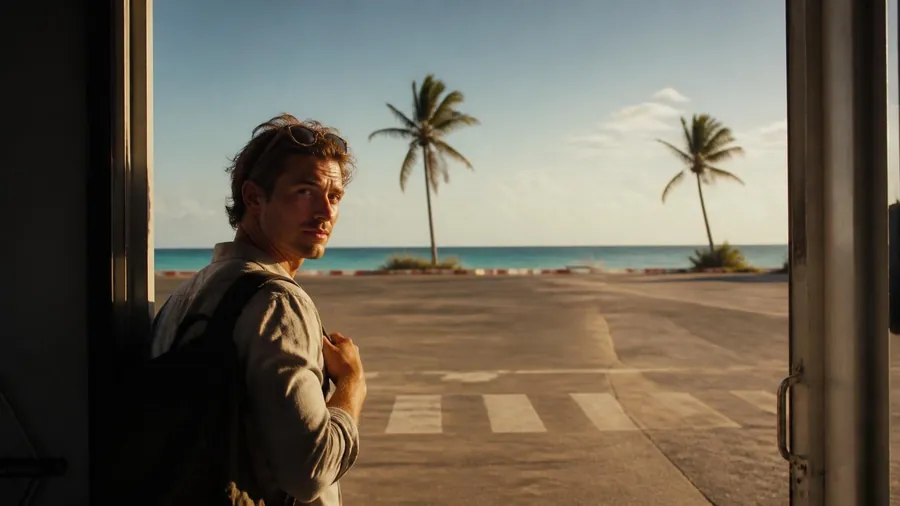
Volcanic islands on the equator where marine iguanas graze underwater, sea lions sleep on the benches, blue-footed boobies dance in front of you and the rules are stricter than anywhere else in tourism.
Best window: Every month, in two moods: December to May is warm, wet and calm; June to November is cool, dry and rich in wildlifeDays needed: 7 to 8
The Galápagos are what happens when volcanic islands sit on the equator in a cold current a thousand kilometres from anything: penguins beside iguanas, tortoises the size of armchairs, birds that dance in front of you because nothing here has ever needed to be afraid. Ecuador runs the archipelago as a national park with the strictest visitor rules in tourism, and the rules are why it still works. Every site has a licensed guide, a fixed path and a two-metre distance to every animal, which the animals ignore.
What the model says
Every month is good and the year has two moods. December to May is warm and wet with calm seas and green islands; June to November brings the cold Humboldt current, cooler air, rougher water and the richest feeding, which means the most wildlife. The Climate Simulator shows the water temperature swinging from twenty-five degrees to nineteen, which decides the wetsuit. Daylight at the equator does not move at all: twelve hours, every day, sunrise at six.
What the ground says back
The choice is the ship. A cruise of a week sees the outer islands and moves at night; island hopping between the three inhabited islands is half the price and keeps your feet on land. Both are excellent; the cruise is the one nobody regrets and the one everybody budgets for twice. The sun is the underrated risk on the equator with water on every side. Cash for the park fee and the transit card, a year’s notice for the cabin.
Days
Seven days is the minimum for either version, eight is right. Ecuador’s mainland adds the Andes and the Amazon, and a fortnight from Quito covers all three.
A sample day
06:00Anchor up, the ship moving between islands in the first light
07:30Panga landing on a lava shore, marine iguanas piled on the rocks like coal
09:00Blue-footed boobies dancing on the path, the guide counting eggs
11:00Snorkelling with sea lions that mouth your fins and lose interest
13:00Lunch aboard, the ship repositioning
15:00A walk on a red-sand beach, flamingos in the lagoon behind
17:00Deep-water snorkel off a rock: sharks below, a turtle at eye level
19:30Briefing for tomorrow, the plan already fixed by the park permit
A sample plan · 4 days
Day 1Fly to Baltra, board the ship or cross to Santa Cruz.
Day 2Four to seven days of two landings and one or two snorkels per day, each site fixed by the park itinerary.
Day 3For island hopping: Santa Cruz’s highlands and tortoises, Isabela’s Sierra Negra and the tunnels, San Cristóbal’s Kicker Rock.
Day 4Fly out via Guayaquil or Quito.
Climate by monthMonthly normals, rounded. Highs and lows in °C, rain days per month.Daylightday length on the 15th of each month at 0.7° S
12.2hJan
12.1hFeb
12.1hMar
12.1hApr
12.1hMay
12.1hJun
12.1hJul
12.1hAug
12.1hSep
12.1hOct
12.1hNov
12.2hDec
What can go wrong
▲▲Sea stateSmall ships roll on the overnight passages, especially from July to October; bring the medication.
▲▲▲SunThe equator with water on every side; the burn arrives before the heat.
▲▲CurrentsSnorkelling sites have currents; go with the guide and stay with the group.
▲RulesTwo metres from every animal, nothing taken, nothing left; the fines and the ejections are real.
Getting there
Fly from Quito or Guayaquil to Baltra or San Cristóbal. Then either a cruise of four to fifteen days on a small ship, or island hopping between Santa Cruz, Isabela and San Cristóbal by speedboat with day trips. The national park requires a licensed guide on every visitor site.
Hub Quito or Guayaquil, then flights to Baltra or San Cristóbal
Permits Transit card in Quito or Guayaquil and the national park fee on arrival; both are fixed and paid in cash.
Avoid Nothing to avoid; September has the roughest seas and the coldest water.
Questions people ask
Cruise or land-based?
A cruise reaches the western and outer islands and moves at night. Land-based trips are cheaper, calmer and see the three inhabited islands well. The best answer depends on the budget band and the stomach.
When is the best time?
Every month works. Warm season for calm seas and green islands, cool season for the richest wildlife and the roughest water.
How far away are the animals?
Two metres, by rule. In practice the sea lions and boobies ignore the rule and come closer; you back up.
 Money · 2 September 2026
The cost of remoteness
The places on this site range from forty-five euros a day to two and a half thousand, and the difference is mostly distance from a road. Here is where the money goes, why, and how the same place can be reached at a fifth of the price.
Money · 2 September 2026
The cost of remoteness
The places on this site range from forty-five euros a day to two and a half thousand, and the difference is mostly distance from a road. Here is where the money goes, why, and how the same place can be reached at a fifth of the price.