The road from Cusco drops 3,000 metres through cloud forest to the Manu river, and the boat takes you into a reserve the size of a small country: macaw clay licks, giant otters, thirteen kinds of monkey and a canopy that never goes quiet.
Best window: May to October, the dry season; June to August for the driest trails and the busiest clay licksDays needed: 5 to 7
Manu is a biosphere reserve that runs from 4,000 metres in the Andes to 300 in the Amazon lowland, and the road from Cusco covers that drop in a single day of cloud forest, waterfalls and cock-of-the-rock leks. At the bottom the river takes over. Boats run down the Alto Madre de Dios and up the Manu into a reserved zone with a visitor quota, where oxbow lakes hold giant otters, clay licks draw hundreds of macaws at dawn and thirteen species of monkey use the canopy as a road network. It is the most intact large forest that tourism reaches.
What the model says
The dry season, May to October, with the driest trails and the best clay licks from June to August. The wet season floods the trails and stops the boats. Temperature barely moves through the year; humidity and rain days do, from five a month in July to twenty-two in January. The Pack Simulator matters more than the Climate Simulator here: long sleeves, dry bags, a head net and the vaccinations decide the trip.
What the ground says back
Comfort is low and the days are long, and the operators that go into the reserved zone are the ones to book; the cultural zone lodges are pleasant and see a fraction of the wildlife. The cloud forest day is a highlight rather than a transfer if you ask for it to be. The macaw lick at dawn and the otters on the oxbow lake are near certain; the jaguar is a rumour on the river bank in the dry season. Two days from a hospital is the number to respect.
Days
Five days is the shortest reserved-zone tour, seven is right. Flying out from Boca Manu saves two days and depends on the weather. Peru pairs it with Cusco and the Sacred Valley for a fortnight that runs from 3,400 metres to 300.
A sample day
04:45Boat in the dark up the river to the clay lick, the mist on the water
06:00Blind at the lick, macaws arriving in pairs, then dozens, the noise like a market
08:30Back to the lodge, breakfast, the heat building
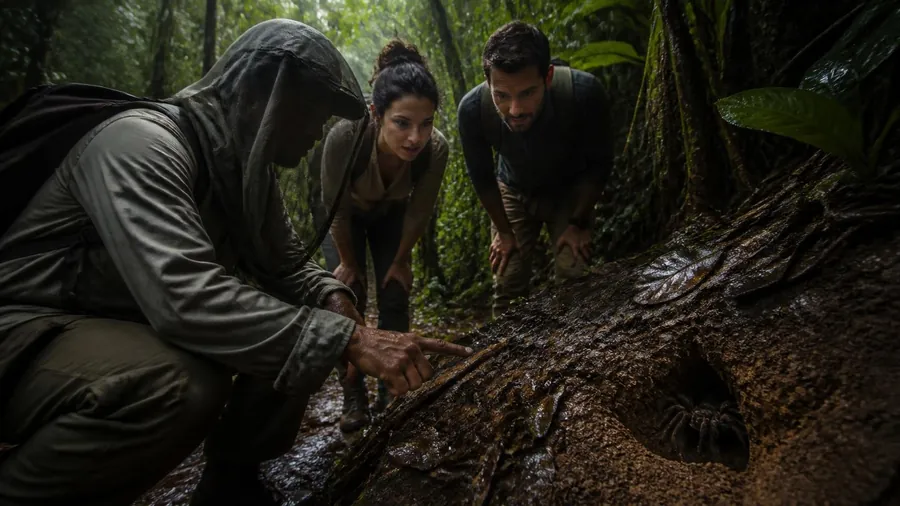
10:00Trail walk with the guide: a tarantula, leaf-cutter highways, a troop of squirrel monkeys
13:00Lunch and the siesta the forest imposes
15:30Catamaran on an oxbow lake, giant otters fishing in a family line
18:00The lake at dusk, hoatzins grunting in the bushes, the first bats
20:00Night walk: eyes in the torch beam, frogs, a caiman on the bank
A sample plan · 7 days
Day 1Cusco over the pass and down through the cloud forest, cock-of-the-rock lek at dusk, a lodge in the mid elevations.
Day 2Down to the river at Atalaya, boat to a lodge on the Alto Madre de Dios, first lowland forest.
Day 3Up the Manu into the reserved zone, the river narrowing, the wildlife thickening.
Day 4Oxbow lakes, giant otters, a canopy tower at dawn.
Day 5A second day in the reserved zone, night walk.
Day 6Down river to the macaw clay lick at dawn, then on to Boca Manu.
Day 7Fly out from Boca Manu, or two days back by boat and road to Cusco.
Climate by monthMonthly normals, rounded. Highs and lows in °C, rain days per month.Daylightday length on the 15th of each month at 12.3° S
12.8hJan
12.5hFeb
12.2hMar
11.8hApr
11.5hMay
11.4hJun
11.5hJul
11.7hAug
12hSep
12.4hOct
12.7hNov
12.8hDec
What can go wrong
▲▲Insects and diseaseYellow fever vaccination is required, malaria prophylaxis advised; the mosquitoes are the constant.
▲▲Heat and humidityThirty degrees at ninety percent humidity; the trails are slow and the water intake is large.
▲▲RiversBoat travel on fast, log-strewn water; the operators know it, and life jackets are worn.
▲▲▲RemotenessTwo days from a hospital; the operator’s radio and the boat are the evacuation plan.
Getting there
Only with a licensed operator: a full day by road from Cusco through the cloud forest to the river at Atalaya, then boats down the Alto Madre de Dios and up the Manu into the reserved zone. Lodges range from platform tents to rustic cabins; the reserved zone has a strict visitor quota.
Hub Cusco, then 10 h by road and a day by boat
Permits Reserved-zone entry is limited to licensed operators with allocated slots; the cultural zone lodges need no permit.
Avoid January to March: daily downpours, flooded trails and rivers that stop the boats.
Questions people ask
Is Manu better than Tambopata?
Tambopata is closer, cheaper and easier and has excellent lodges. Manu is deeper, wilder and rationed; the reserved zone is where the giant otters and the intact forest are. Both are good; Manu is the one on this site because it behaves like nowhere else.
How hot is it?
Around thirty degrees by day and twenty at night, with humidity that makes it feel more. The dry season is drier, not cooler.
Will I see jaguars?
Possibly, on the river banks in the dry season; the honest odds are low. Giant otters, macaws, monkeys and caimans are near certain.
 Canopy · 14 August 2026
Jungle rules: sweat, salt and silence
A rainforest is thirty degrees and ninety percent humidity every day of the year, and what changes is you. The rules are short: cover the skin, dry the kit, drink the salt, walk slowly, and give the animals three nights.
Canopy · 14 August 2026
Jungle rules: sweat, salt and silence
A rainforest is thirty degrees and ninety percent humidity every day of the year, and what changes is you. The rules are short: cover the skin, dry the kit, drink the salt, walk slowly, and give the animals three nights.